
How Much Deposit Should a Contractor Ask For?
Many contractors ask 10% to 30% up front, and some states cap deposits by law. What is normal, when a big deposit is fair, and how to protect yourself.
Published Oct 27, 2026. 3 min read.
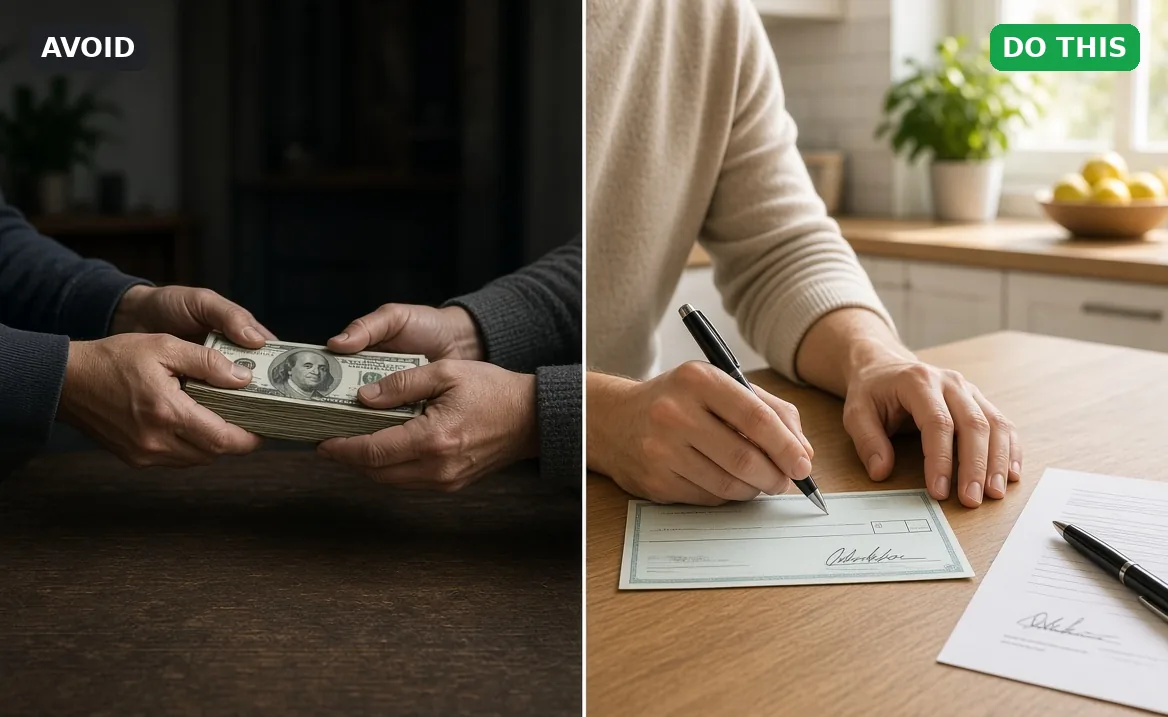
For most home improvement jobs, a deposit of about 10% to 30% of the price is common. Some states set legal limits: in California, the down payment on most home improvement contracts can't be more than $1,000 or 10% of the contract price, whichever is less. A request for half or more before any work starts deserves questions.
Why contractors ask for a deposit
A deposit holds your place on the schedule and covers some up-front costs. That is reasonable. The risk is paying for work that hasn't been done — if the contractor disappears, that money is hard to get back.
When a larger deposit can be fair
- Custom-ordered materials such as cabinets, windows or special-order doors. Even then, consider paying the supplier directly or paying when the materials are delivered to your home.
- Small, quick jobs where the contractor must buy everything at once.
How to protect your deposit
- Pay by credit card or check, never cash.
- Make it payable to the business, not a person.
- Get a written contract before paying anything.
- Tie later payments to finished stages you can see.
- Ask for lien waivers from the contractor and suppliers as you pay, so unpaid subcontractors can't put a lien on your home.
- Hold back the final payment until the work passes inspection and the punch list is done.
Check your state's rules
Several states limit deposits or require them to be held a certain way, especially for home improvement contracts. Your state attorney general or contractor licensing board publishes the rules.
Our free quote comparison flags high deposits automatically, and you can look up the contractor's license before you pay.
Frequently asked questions
Is 50% down normal for a contractor?
It happens, but it is high for most home improvement work and illegal for many contracts in some states. Ask why, and consider paying for materials when they arrive instead.
Should I pay a contractor deposit in cash?
No. Pay by check or credit card made out to the business, so you have a record and, with a card, the ability to dispute the charge.
What happens if a contractor takes my deposit and doesn't start?
Send a written demand, file a complaint with your state licensing board and attorney general, and consider small claims court. Some states have recovery funds for victims of licensed contractors.
Sources
- Cinderblock — California contractor down payment limits (Bus. & Prof. Code §7159.5)
- North Carolina Department of Justice — Home repair scams
Prices are national ranges for planning only. Your price depends on your home, your region and the contractor. This guide is general information, not professional, legal or insurance advice.
This guide is general information, not legal advice. Rules differ by state and city; check with your state's consumer protection office or a local attorney.
Related guides
Hiring contractors
Questions to ask before you sign an HVAC contract
Equipment brand gets the attention, but sizing and installation decide how the system performs.
Oct 23, 2026, 1 min read
Quote tips
How to Compare Contractor Quotes (Without Getting Fooled by the Total)
The lowest total isn't always the cheapest job. A simple five-step way to compare contractor quotes fairly.
Oct 25, 2026, 2 min read
Hiring contractors
How Many Contractor Quotes Should You Get?
Three written quotes is a good rule of thumb. Here is why, and when one or two can be enough.
Oct 25, 2026, 1 min read